


Back
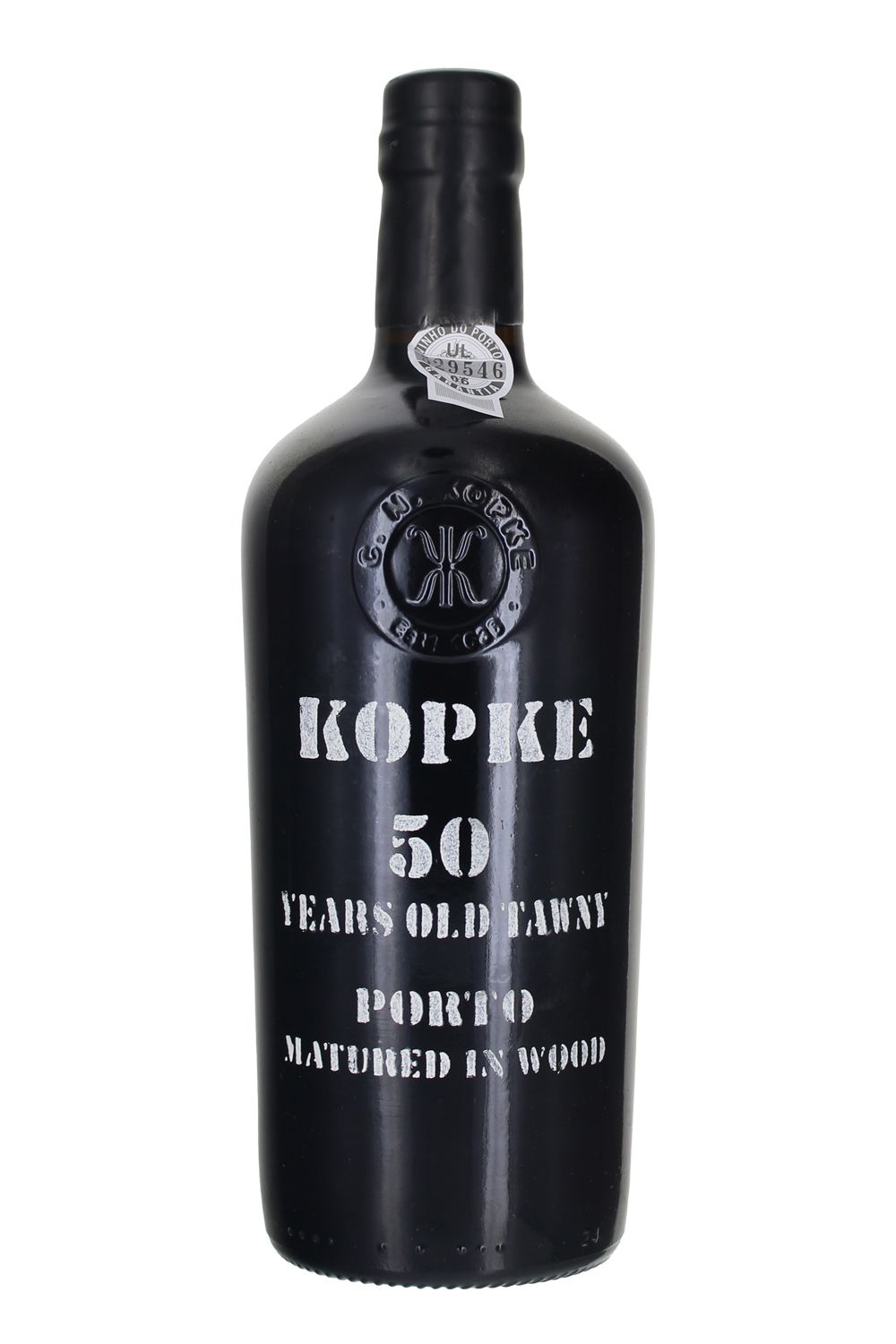
50 Year Old Tawny Port, Kopke
 Add to Wishlist
£190.00 1 x Bottle (75 cl)
Tasting notes
A beautiful mahogany colour, with a lovely notes of dried figs, aged tobacco, white prunes, walnuts and old wood. Spices, dried fruit and old oak on the palate, with a fantastic peristent sweetness.
At a glance
producer
sub-region
region
country
grape variety
vintage
colour
abv
maturity
Not available
organic status

Douro
Situated in northern Portugal, the Duoro is known mainly for one thing: Port. Taking its name from the river that flow east to west from the Spanish border to Oporto, where it meets the Atlantic Ocean, the region produces an almost equal split between fortified wines and still table wines. Flanked by steep slopes, the Duoro river winds through some of the most picturesque countryside in all of Europe. This beautiful mountainous terrain is sub-divided into three regions, each of which express different characteristics of the area’s sweltering continental climate. Baixo Corgo, where vineyards were first developed, is the wettest and flattest area which produces higher yields but less quality. The Vineyards are planted on extremely steep slopes along the banks of the Douro river. Cima Corgo only came into being when dynamite could be used to clear away the Duroro river rapids. It produces high quality wines and contains the greatest concentration of top vineyards. The vineyards are also planted on the steep slopes on banks of the Douro river. Douro Superior is the driest area in the Douro and a Unesco protected site. It’s sparsely planted, and also a source of top-quality wine. However, it has the highest percentage of flatter vineyards, which means mechanisation is more widely used. This is attractive to producers as it decreases cost of production, however the low rainfall is an issue. Vineyards are dominated by the five red varieties: Touriga Nacional (most highly regarded), Touriga Franca (most widely planted), Tinta Barroca, Tinto Cão and Tinta Roriz, otherwise known as Tempranillo. An increasing number of international varieties are being planted for non-fortified wines, with Cabernet Sauvignon, Sauvignon Blanc and Gewurztraminer being the most common.
![1975 Colheita Tawny Port, Kopke (75 cl) - Bottle [151581719750600750]](https://du5d0xxkq463h.cloudfront.net/media/catalog/product/cache/e748d881e54f2c9368fad2d1a1421cc2/1/5/15158171975.jpg)
![Fine White Port, Kopke (75 cl) - Bottle [160868500000600750]](https://du5d0xxkq463h.cloudfront.net/media/catalog/product/cache/e748d881e54f2c9368fad2d1a1421cc2/1/6/1608685.jpg)
![20 Year Old Tawny Port, Kopke (75 cl) - Bottle [160494800000600750]](https://du5d0xxkq463h.cloudfront.net/media/catalog/product/cache/e748d881e54f2c9368fad2d1a1421cc2/1/6/1604948.jpg)
![2008 Colheita Tawny Port, Kopke (75 cl) - Bottle [151581720080600750]](https://du5d0xxkq463h.cloudfront.net/media/catalog/product/cache/e748d881e54f2c9368fad2d1a1421cc2/1/5/15158172008.jpg)
![1999 Colheita Tawny Port, Kopke (75 cl) - Bottle [151581719990600750]](https://du5d0xxkq463h.cloudfront.net/media/catalog/product/cache/e748d881e54f2c9368fad2d1a1421cc2/1/5/15158171999.jpg)